3 Hours
2,850 km²
Discover Offbeat places
Lodges & Camps Nearby
English, Swahili
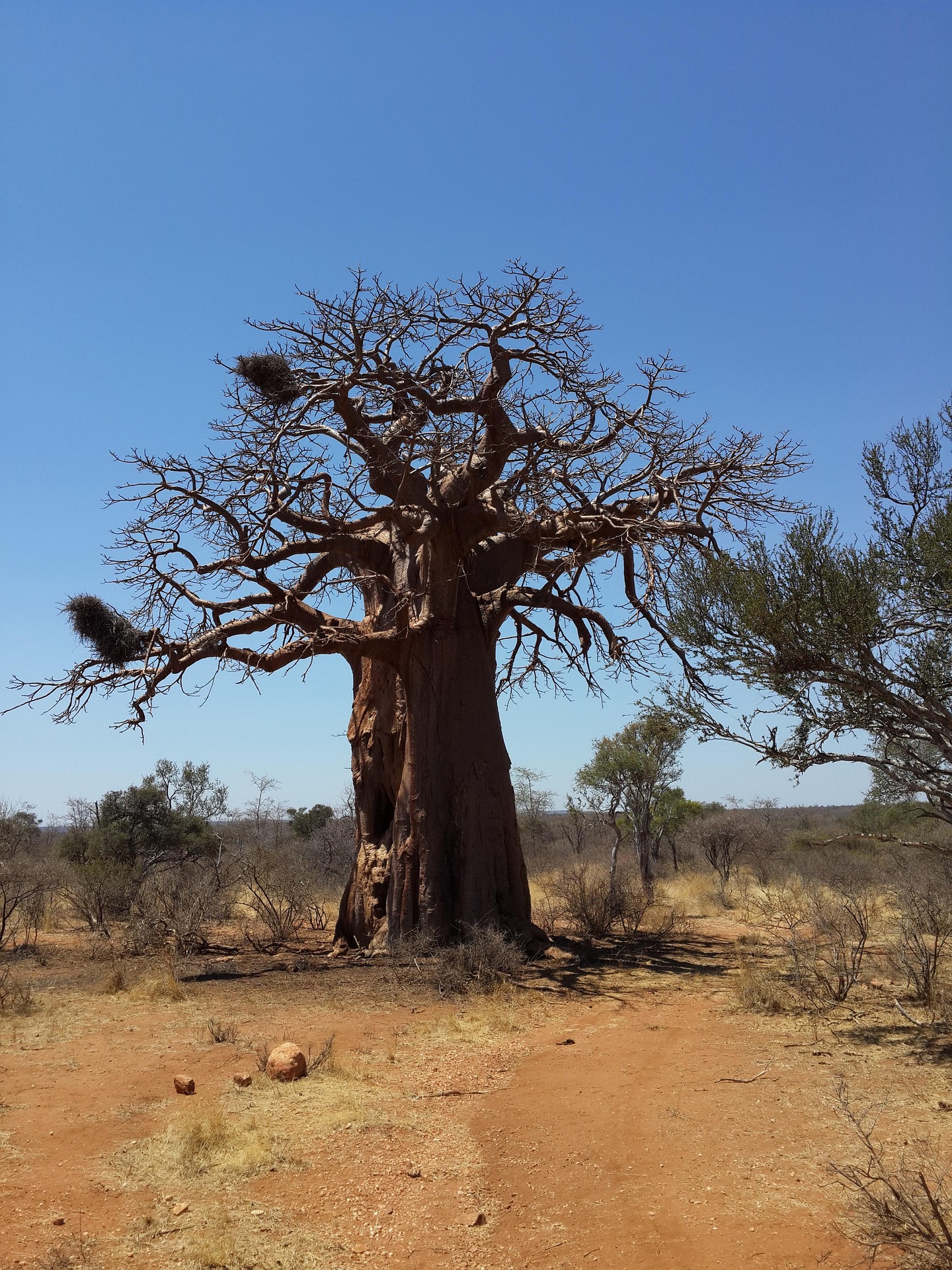
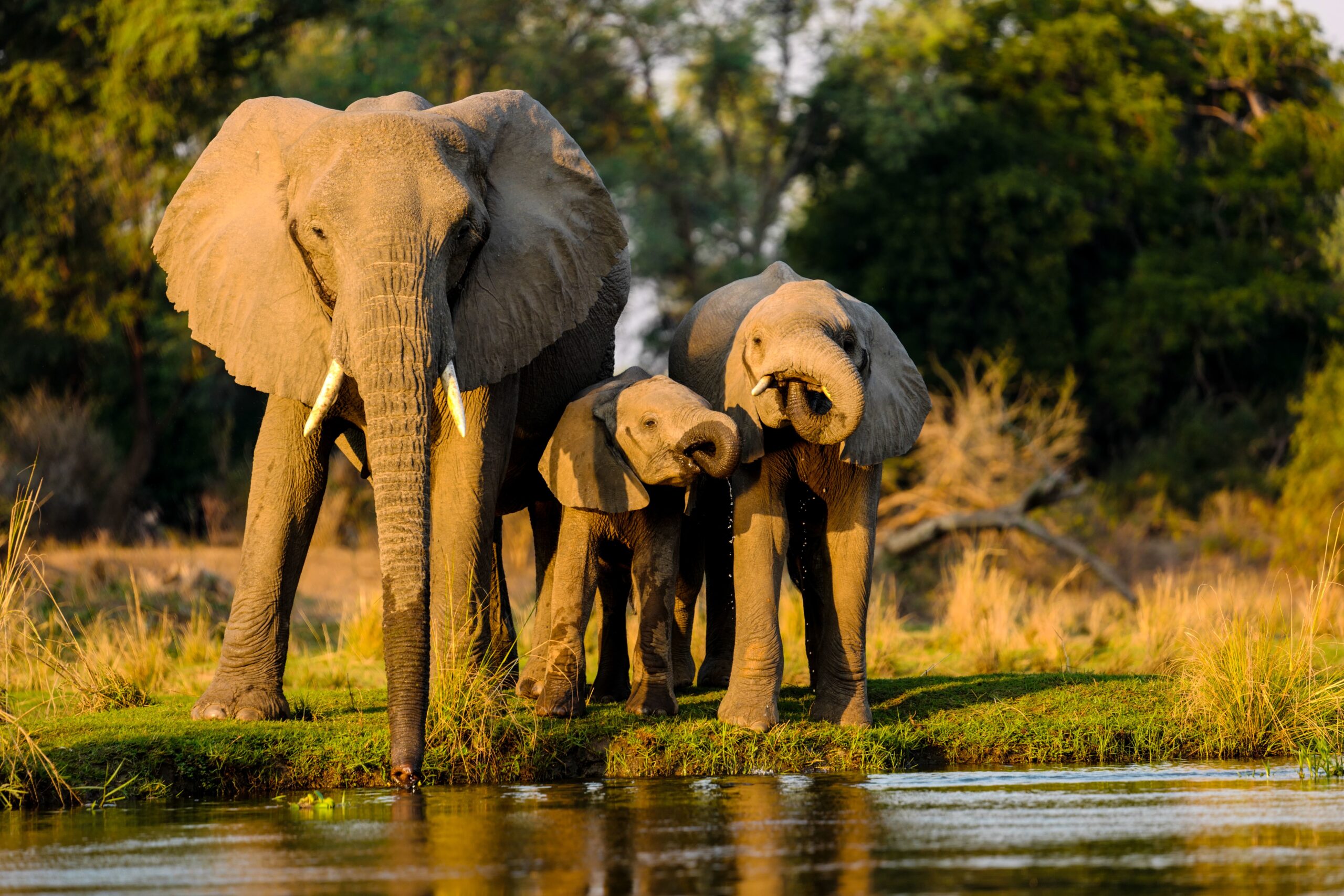
Unlike Any Other ranking the 6th largest National Park in Tanzania, Tarangire National Park is known for its majestic Baobab trees. Slightly off the popular northern Tanzania Safari Circuit, the park lies between the meadows of Masai Steppe to the south east and the lakes of the Great Rift Valley to the north and west, often overshadowed by the Serengeti, is Tanzania’s best-kept safari secret—a sweeping landscape of golden savannahs, seasonal swamps, and thousand-year-old baobabs. Known for its massive elephant herds (up to 3,000 in dry season!) and rare tree-climbing lions, this park delivers intimate, crowd-free wildlife encounters year-round.
The Baobab can grow to an enormous size and have a unique shape. The Park is also famous as it has the largest concentration of elephants in Africa! You can see herds of up to 300 elephants around the Tarangire River. The river is the primary source of fresh water for the animals. In the dry season, they come here to drink or just to enjoy a bath to cool o from the hot sun. During the end of dry season, elephants dig into the riverbed to reveal underground water, or are looking for Baobab trees to slake their thirst. The birds within the Tarangire are also quite many, there are over 545 species that have been identified here. The stunning yellow collared lovebirds and the shy starlings are in plenty here in addition to other species. The Land of Giants & Ancient Baobabs
Migration of the Forgotten.
Every year during the dry season from June to November Tarangire hosts a wildlife migration which is not as dramatic as the Wildebeest Migration in the Serengeti, but receives a somewhat large number of animals. As most of this part of the country is dry, the Tarangire River remains the only source of water and consequently attracts large numbers of wildebeests, elephants, gazelles, zebras and hartebeest, buffaloes plus various predators like lions that come to drink and graze around the river banks. during the rain months of November to May, the zebras as well as large herds of wildebeests move into the north-western direction towards the Rift Valley oor amongst the large numbers of animals that spread across the large open areas of the Masaai Steppe and dispersing all the way to Lake Manyara
The Swamps.
The distant Silale Swamp is one of the Tarangire ecosystem’s features. During the green season, the swamp behaves like a big sponge, soaking up water and slowly releasing it during the dry season. Huge herds of herbivores ood the park in search of water, attracting lions, leopards, and wild dogs in turn. Silale-swamp lions, African wild dogs, cape bualoes, and even elephants call these wetlands home
The Giant Baobab Tree.
Is another distinctive feature that can be found in Tarangire National Park. The Baobab has adapted to its surroundings over time. It’s a succulent, which means it collects and retains water in its massive trunk during the rainy season, allowing it to produce nutrient-dense fruit during the dry season when everything else is dry and barren. As a result, it was dubbed “It has a trunk that can hold up to 300 liters of water. They have a lengthy life expectancy and can live for up to 600 years. The edible seeds of this tree are a significant source of food for a variety of animals. Elephants, on the other hand, sharpen their massive tusks on the bark of these trees. According to legend, these trees could easily roam over the African continent, but God was irritated by their aimless movement, so he chose to install them upside down to prevent them from moving again.
Birding in Tarangire.
Enjoy seeing a diverse range of beautiful and rare bird species during your vocation in Tarangire national park. The marshes of Tarangire are home to around 550 distinct bird species. Tarangire is a well-known safari site for lovers who find themselves engrossed for an extended period of time. Crested francolins, hoopoes, yellow-necked spurfowl, hornbills, guinea fowl, steppe eagles, brown parrots, the enormous lappet-faced vulture, white-bellied go away bateleur eagles, mouse birds, Kori bustards, yellow-collared lovebirds, bee-eaters are some of the bird species that can be spotted during your safari in Tarangire Tanzania.
Poacher’s Hide.
Poacher’s hide in Tarangire National Park is a must-see attraction located southwest of Tarangire Hill, around a hundred meters west of the park’s main north-south road. The Poacher’s Hide is a famous old baobab tree with a slightly hidden entrance and an inside chamber that was formerly utilized by poachers as a hideaway. The Poacher’s Hide baobab has a diameter of around 10 meters and is thought to be over 300 years old, making it one of Tarangire National Park’s oldest trees.
Lemiyon Triangle.
This is yet another must-see attraction during your safari in Tarangire National Park. Massive baobab trees and enormous rocks of red-billed quelea birds may be found in Lemiyon. This unspoiled location is nestled away in the park’s northernmost reaches, forming a triangle zone. The enormous baobab trees that loom alongside the road with their colossal silver trunks and multitude of gnarled branches are the most outstanding form of vegetation here. Lemiyon is exceptionally wonderful for raptor viewing, and even non-birders will be surprised by the quantity of these strong aerial carnivores.
Kitibong Hill.
Kitibong Hill is a stunning area in Tarangire National Park that is home to enormous herds of Cape bualo and endangered wild dogs. While on a Tanzania safari in Tarangire National Park, you can see cape bualoes tossing their huge bossed horns and surging across the acacia plains of the area. The spectacular African wild dogs can be seen rushing in groups of 6-20 in this Kitibong Hill area. Travelers that visit Tarangire National Park while on a Tanzania safari will have the opportunity to see and meet these attractions in the park’s environment.
Game Drives.
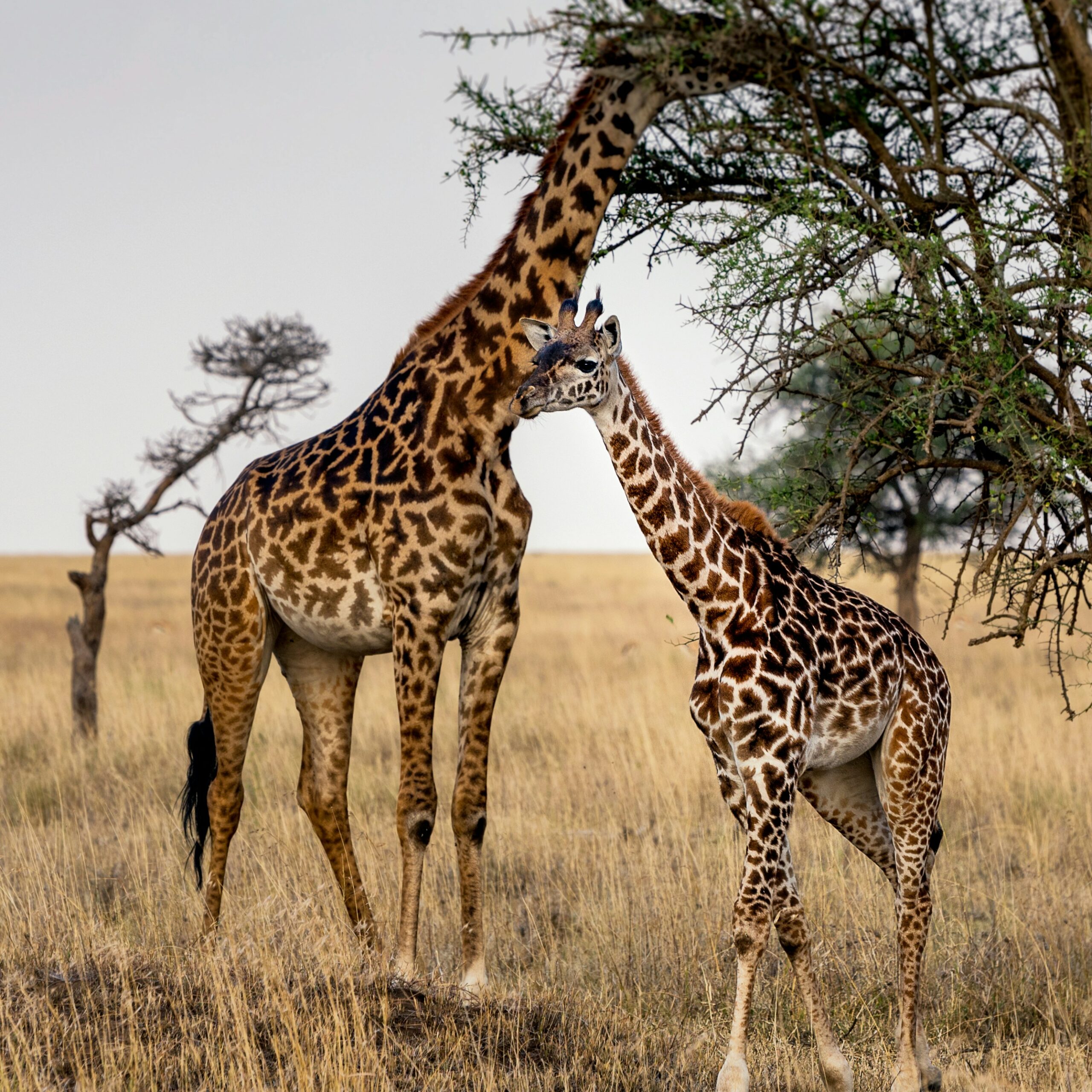
Game drives in Tarangire national park takes place at different times of day and includes morning game drives, afternoon or evening game drives and also full day game drives. This activity offers tourists different wildlife viewing experiences as they explore the wilderness and look out for wildlife species. During morning game drives, tourists see various wildlife species which are very active at this time of day such as the elephants, giraffes, buffalos cheetahs, zebras, elands, waterbucks, impalas, wildebeests, hartebeest among others. Afternoon or evening game drive also take place in Tarangire national park and it involves exploring the national park in search of the different wildlife species although the wildlife species many not be seen as many in number as compared to wildlife sightings during morning game drives.
Bird watching.
Bird watching is another activity which tourists can engage in during their safaris to Tarangire national park. There are various habitats for the different bird species which can be seen in the national park and this destination has about a third of the bird species in Tanzania. Migrant bird species in this national park can be seen around the swampy wood plains during birding excursions and they include hornbills, brown parrots, yellow necked spur fowls, guinea fowls, crested francolins, lilac breasted rollers, barbets, striped swallows, starlings, vultures, falcons, hammerkops, plovers and many other
Nature Walks.
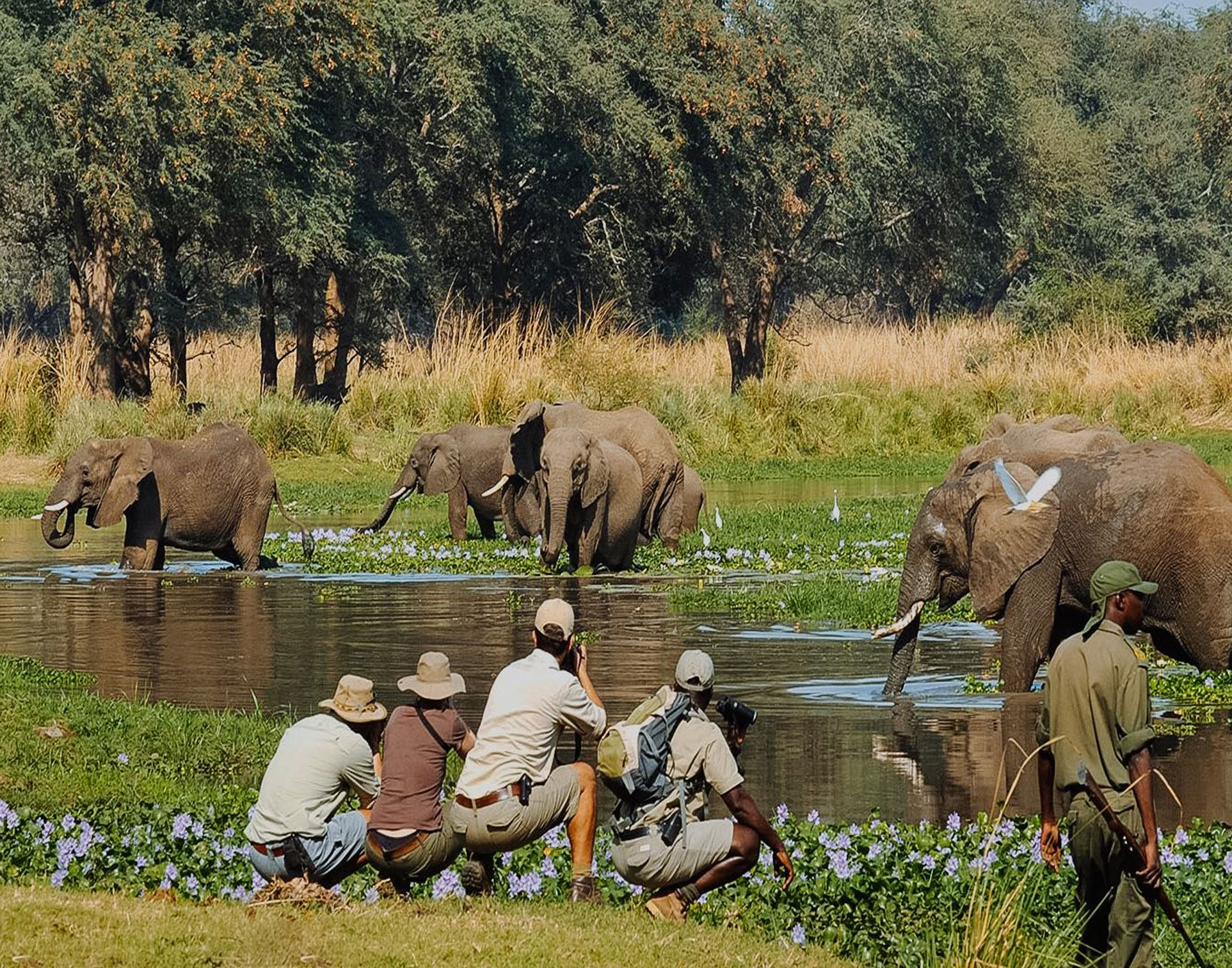
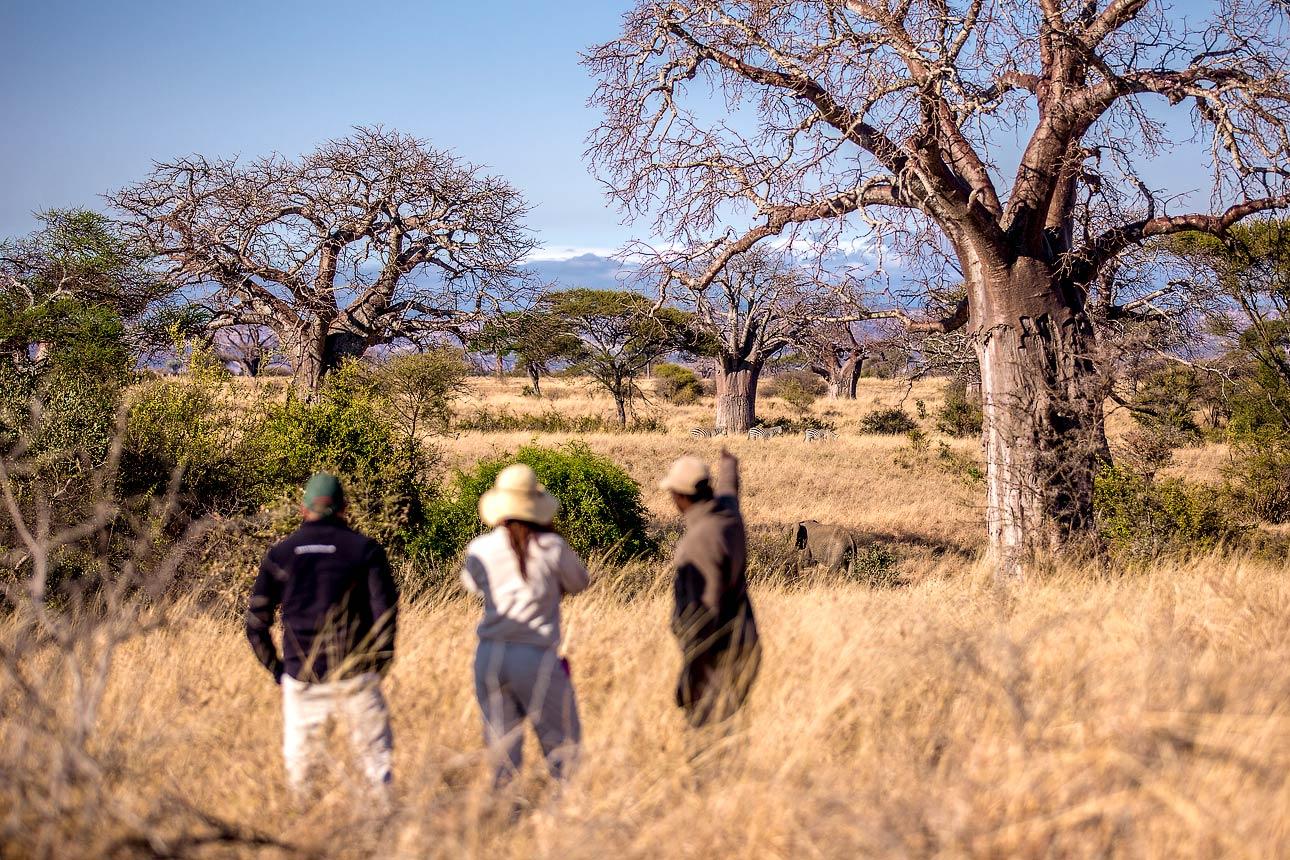
This unique form of wildlife viewing involves exploring the beautiful wilderness of Tarangire national park and getting a close interaction with the surroundings. This activity takes place in the company of a ranger guide as the tourists move around the destination. Nature walks involve tourists treading across the vast savannah plains in the national park without interrupting the natural setting and interfering with the wildlife species. The guides and tourists follow different tracks as they encounter and track animals on foot.
How to Get to Tarangire National Park.
Tarangire national park can be accessed through different means of transport which include road and air transport. By road, tourists can begin their trips from Arusha since the national park is located not far from Arusha. Another means of transport which tourists can use to access Tarangire national park is by flight or air. There are different airstrips which can be used by the tourists to reach the national park and they include Tarangire airstrip, Kuro airstrip. Charter and scheduled flights are available for tourists to access the destination
Best Time to Visit.
Tarangire is a great year-round park for game viewing. Especially during the dry season (June – October) when animals gather around the main water source in the area, the Tarangire River. Lots of animals migrate out of the park during the rainy season (April-May) due to the black cotton soil that’s bad for their hoofs

About
We are a team of adventure enthusiasts who love everything about Tanzania. Our team arrived here in 2022, and we were immediately fascinated by this land. Read More…
Copyright © 2026 All Right Reserved Asili Safaris
WhatsApp Us