2 Hours
330 km²
Discover Offbeat places
Lodges & Camps Nearby
English, Swahili
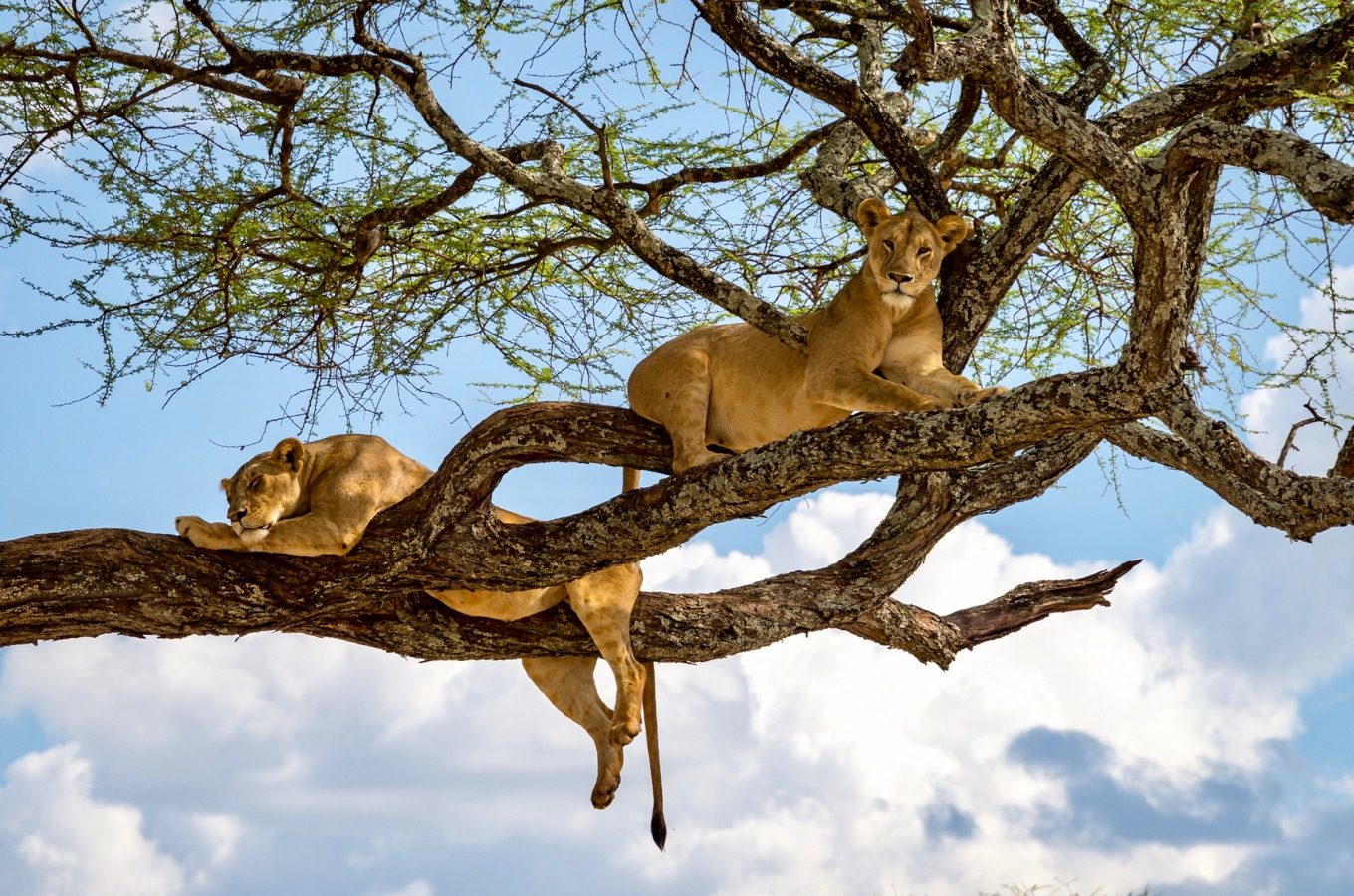
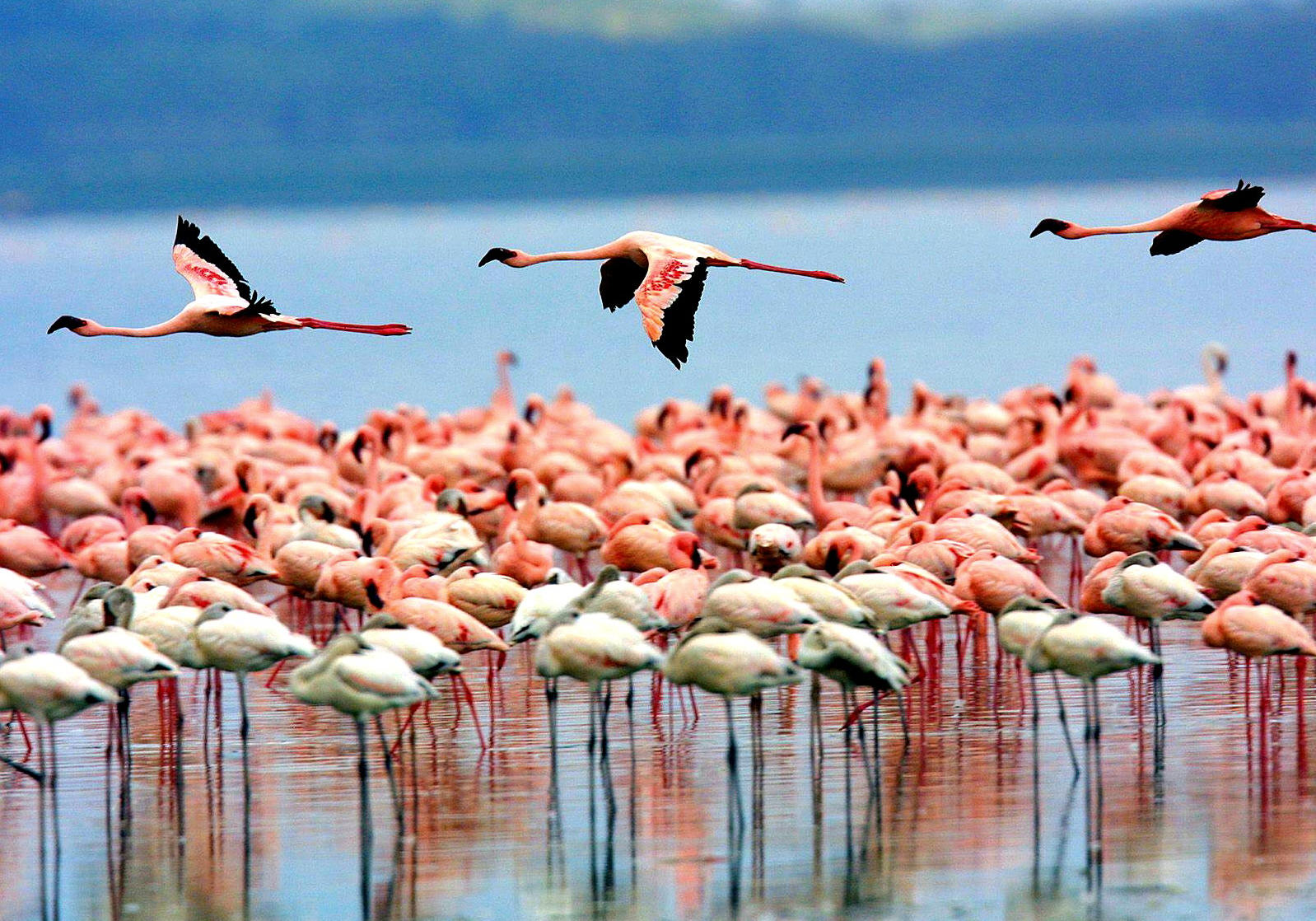
A Home of Tree Climbing Lions” Nestled at the base of the Great Rift Valley escarpment, Lake Manyara National Park packs an astonishing variety of ecosystems into a small area. From soda-lake shores fringed with flamingos to dense groundwater forests and open savannahs, this park is a microcosm of Tanzanian beauty. Lake Manyara National Park well known for the tree climbing lions, the soda ash lake that attracts thousands and pink flamingos, one of Tanzania’s biggest elephant population and breathtaking scenery! This travel guide offers you the most updated information about the attractions, Lake Manyara accommodation, getting there and so much more. Enjoy your safari in Tanzania!
Tucked beneath the dramatic escarpment of the Great Rift Valley, just 125 kilometers west of Arusha, Lake Manyara National Park may be one of Tanzania’s smallest protected areas—but it’s bursting with natural wonders. Often overlooked in favor of its larger neighbors, this compact sanctuary offers a dazzling blend of ecosystems and wildlife spectacles that rival any in East Africa. Covering 330 Km², with the shimmering soda lake occupying nearly 77% of its surface, the park is a mosaic of habitats: lush groundwater forests, sunlit savannas, acacia woodlands, and the towering rift wall that frames the landscape. This diversity supports an astonishing array of wildlife, making every visit a rich and varied experience.
Lake Manyara.
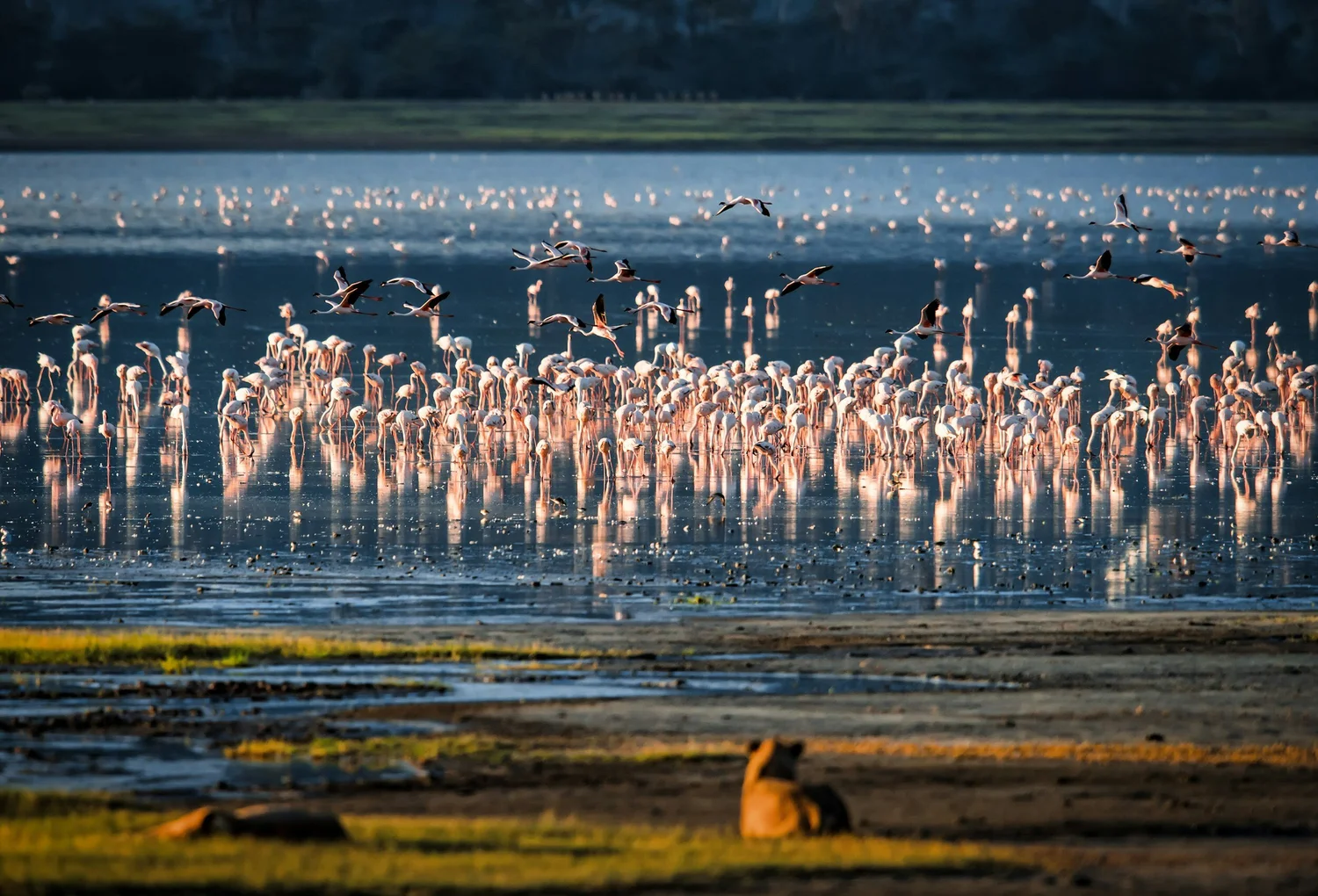
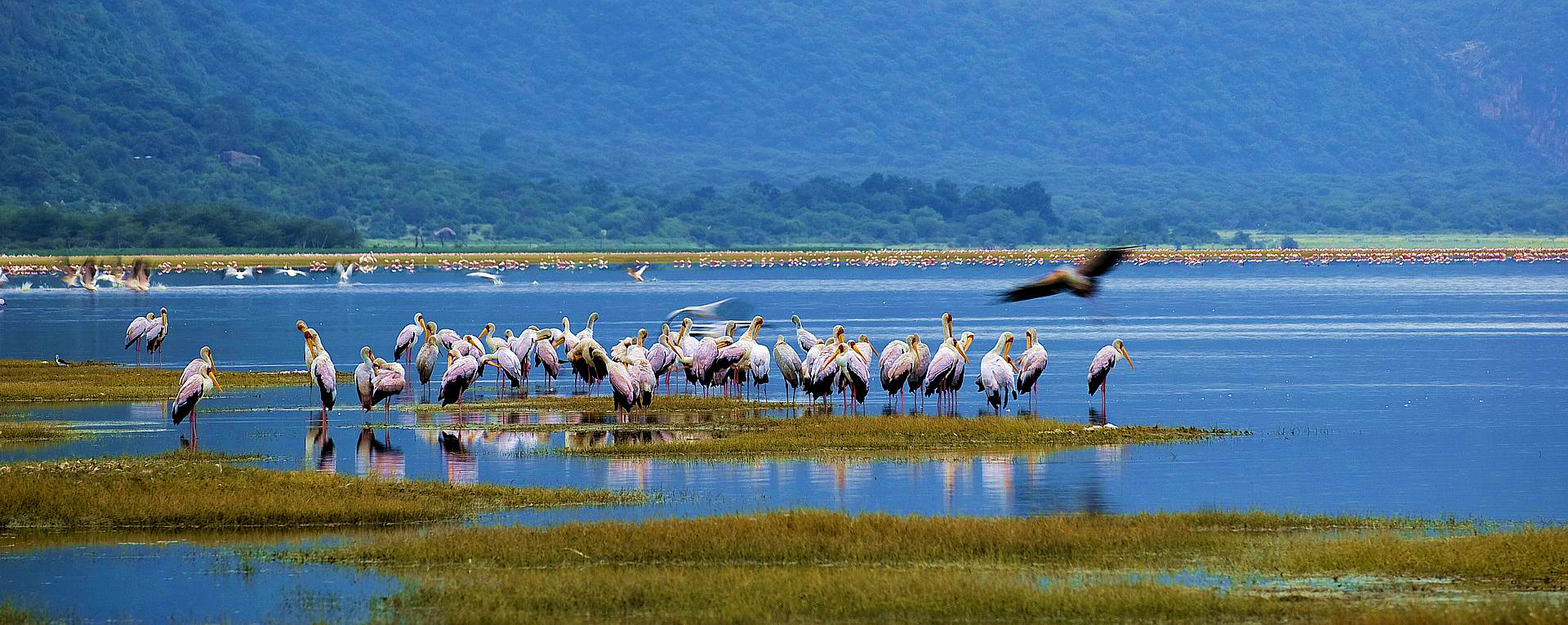
The shallow lake Manyara is an alkaline lake found in this park that swells up and reduces in size basing on the seasons found within a long silvery bowl of salt deposits. It covers an area of 220 sq km which is two thirds of the park’s total surface area. The lake hosts a large number of pink flamingos in addition to other wildlife like hippos that dwell in the shallow part of the river. Witness the alchemy of dawn as the first golden light hits Lake Manyara’s mirror-like surface, transforming rocks of flamingos into living brushstrokes of pink. The morning mist rising from the Rift Valley escarpment creates an ethereal backdrop for elephant silhouettes wading through the shallows.
Wildlife in Lake Manyara National Park.
The game in Lake Manyara includes plenty of elephants, wildebeests along with so many giraffes, and buffaloes. In addition, the park is also very famous for its large number of African wildlife including zebras, impalas, warthogs and waterbucks. On the slopes of the escarpment, you may need to search a little hard for the tinny and renowned shy kirk’s dik dik and klipspringer. The road circuit for game drives is limited and can be covered in about 3 to 4 hours where you can see the animals that are always on the move. On Average a Tanzania safari cost about $200 per day if you are using road. A luxury safari involving flights translated into high prices. It is therefore worth to revisit. Most safari companies organize for afternoon visits but taking a morning, one is far much better as there are fewer other vehicles yet with more wildlife activity.
Rift Valley Escarpment.
Lake Manyara is also the perfect place to witness the spectacular 400-meter-high Rift Valley Escarpment. The Great Rift Valley is a long rift in the earth which runs down the eastern side of Africa. It was formed about 20 to 25 million years ago when the earth’s crust teared apart, and this enormous feature is so vast it can even be seen from space (like two lines running down Africa). Its varied terrain provides unique ecosystems that support an impressive variety of ora and fauna.
Game Drive.
This involves both day and night game drives. Day game drives can be done in the morning, afternoon, or evening depending on visitor preferences. In Manyara National Park, Game Drive take place along the lower slopes of the Great Rift Valley. Expect to see a number of wild animals such as elephants, buffalo, lions, antelopes, and cheetahs, all of which can be spotted all day, also bird species, and outstandingly beautiful forest vegetarians of ground water. If you’re lucky enough, you’ll be able to see lions shining on trees (tree climbing lions), but this goes directly with a month of visit.
Night Game Drive.
Is special for nocturnal animals and birds because of the silence of the park, letting only the sounds of the animal’s shine all over the park. This makes you feel like you’ve entered a new world
Walking Safaris.
The Manyara walking trail takes you up and down the hills. It always takes place in a high concentration of animals and beautiful nature filled with high vegetation. This is to make visitors get closer to nature while also sighting wild animals in a very close way. It is always a kind of activity accompanied by armed guards for the security of visitors from dangerous animals
Canoeing.
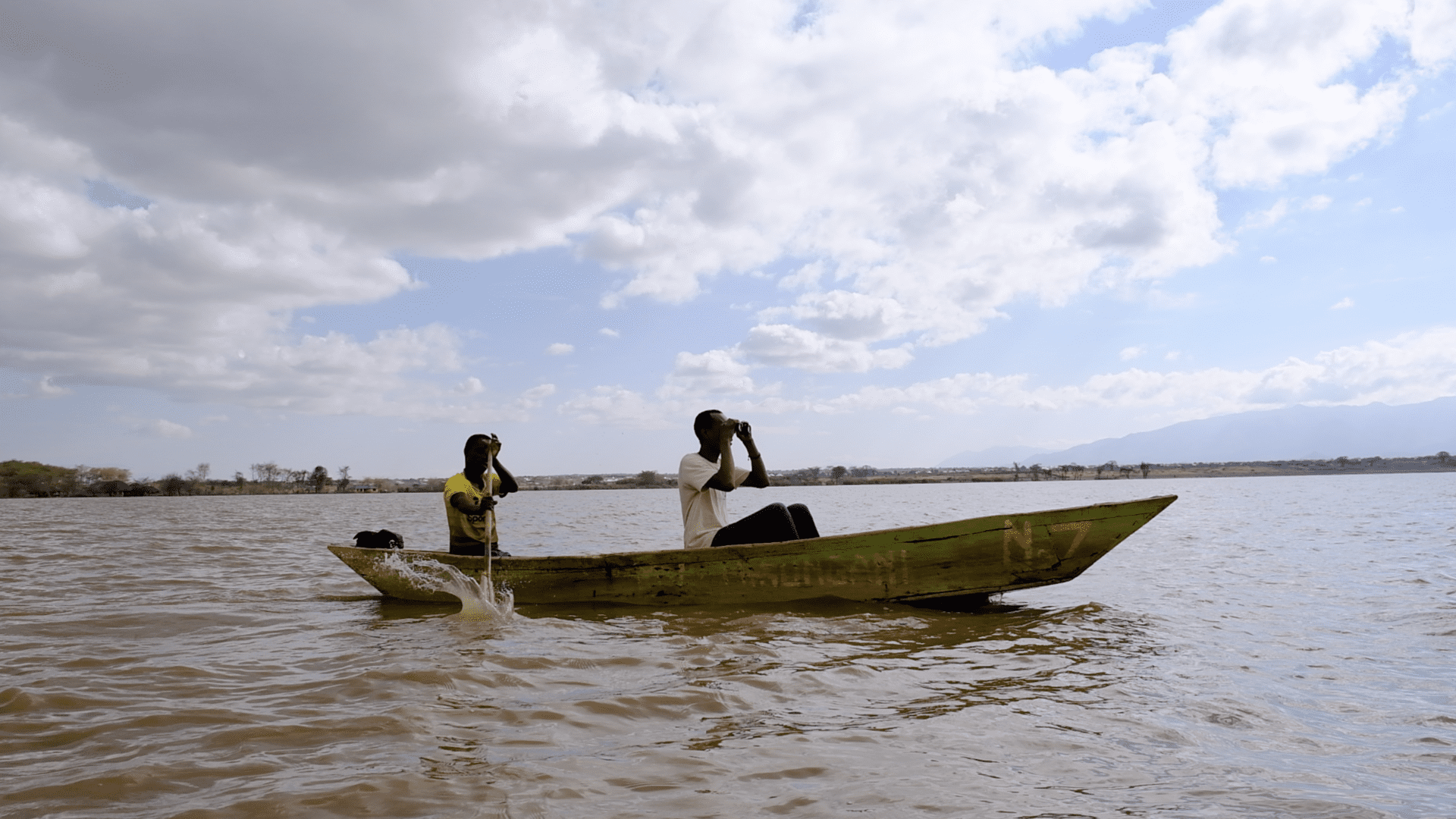
It’s mainly done at Lake Manyara, where it’s a kind of activity that exposes visitors to the steep escarpment patched with evergreen forests while also getting close to a variety of aquatic species, including water-loving species such as African jacana and both lesser and greater flamingos.
Bird Watching.
Apart from and being home to three big five, Lake Manyara is also a well-known birding hotspot with over 400 recorded species, which gives visitors a chance to see over 100 different bird species per day. Bird watching at Lake Manyara national park can be done the whole day, though a recommended time for birding is early in the morning and late evening
Best Time to Visit Lake Manyara National Park.
Lake Manyara national park can be visited anytime throughout the year though the best time is during the dry season in the months of June to October. During the dry season vegetation in the park becomes less and animals gather around the water bodies to drink water hence giving you an opportunity to clearly view abundant wildlife and take great pictures. Lake Manyara national park can also be visited in the wet season during the months of November to April because that is the best time for bird watching where bird lovers will be able to view migratory bird species from Europe and North Africa. Bird species start nesting in the wet season which makes it the best time to view bird in breeding plumage.

About
We are a team of adventure enthusiasts who love everything about Tanzania. Our team arrived here in 2022, and we were immediately fascinated by this land. Read More…
Copyright © 2025 All Right Reserved Asili Safaris
WhatsApp Us