5 Hours
8,292 km²
Discover Offbeat places
Lodges & Camps Nearby
English, Swahili
Ngorongoro Conservation Area is in northern Tanzania. It’s home to the vast, volcanic Ngorongoro Crater and “Big 5” game (Elephant, Lion, Leopard, Buffalo, Rhino). The famous Ngorongoro Crater is the main feature of this area. Two to three million years ago, the large volcano exploded and collapsed on itself. As a result, the crater formed which then created a unique ecosystem with a wide variety of vegetation. There is different attraction in the park which include wild beast migration from Serengeti, Ngorongoro crater, Salei Plains and Ol karien Gorge, Variety flora and Fauna, stunning scenery and many more attractions.
The park has different categories of accommodation like; Budget, Mid-range and luxury accommodation that are convenient and affordable to guests visiting the area. The park contains short grasses with more high lands and other beautiful volcanoes. The area has over 25,000 large animals including 26 black rhinoceros and over 100 number of lions,7,000 wild beasts, 4,000 zebras, 3,000 eland and 3,000 Grant’s and Thomson’s Gazelles.
A Compact Wonderland of Diversity.
The Ngorongoro Crater is one of the best places in Africa to spot the legendary Big Five (lion, leopard, elephant, buffalo, and rhino) in a single day. The Ngorongoro Conservation Area has so far managed to retain a substantial number of wildlife species due to forage availability. Throughout the year, the trending of wildlife species is increasing; for example, in the Ngorongoro crater, the number of wildlife species is estimated to range between 26,000 and 28,000 according to international population data.
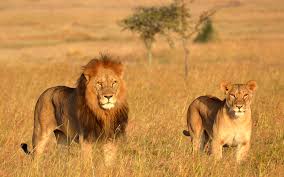
Lions – The Kings of the Crater.
Tanzania is one of the most important countries for the lion’s long-term survival. It has about one-third of the world’s lions, and 3/5 of the remaining large extensive populations (of 2,000 lions each). The greater Serengeti hosts one such important population, divided into two sub-populations; the larger Serengeti population, and the smaller and genetically impoverished Ngorongoro Crater population. Separating these two groups is a multi-use area where wildlife coexists alongside traditional pastoralists and their livestock. Here the rapidly expanding human population has intensified the human-lion conflict, resulting in low chance of survival for any lion that may travel across, settle in or visit this area. Today few lions persist here, mainly as elusive and nomadic individuals. This has led to an increasing isolation of the Ngorongoro Crater lions. They now experience a long history of close inbreeding, affecting their fertility and susceptibility to disease. Without intervention, the long-term survival of the iconic Ngorongoro Crater lion is threatened
Leopards – The Elusive Phantom.
Leopards in Ngorongoro Crater are rarely seen due to their shy and nocturnal nature, but they are present in the area, particularly in the forested regions like the Northern Highland Forest Reserve. While not as commonly spotted as other animals, they are part of the “Big Five” and sightings are a special experience for visitors. There is a large population of Leopards on the Southern and Eastern slopes of the Ngorongoro crater. The Southern and Eastern slopes the covered by a natural forest called Northern Highland Forest Reserve (NHRF). The Northern Highland Forest Reserve is home to Leopards covering an area of 893 Km2 (approximately 20 percent of the Ngorongoro Conservation Area.
Day Time Hunts.
During the day drives around the Ngorongoro Crater, you will spot the Leopards taking a rest on Acacia trees, lying on top of huge Rocks, or hiding in caves. They like staying on top of trees or rocks to see the location of their prey and sometimes catch the unaware animals passing down by a rapid jump on them.
Night Hunts.
Leopards are usually active for night hunting (nocturnal animals). Due to that fact, a night drive around the Ngorongoro Crater gives the best chance of viewing the hunting leopards and other night hunters such as Owls, Bats, hyenas, hedgehogs, and porcupines.
Elephants – The Gentle Giants African’s Tusker.
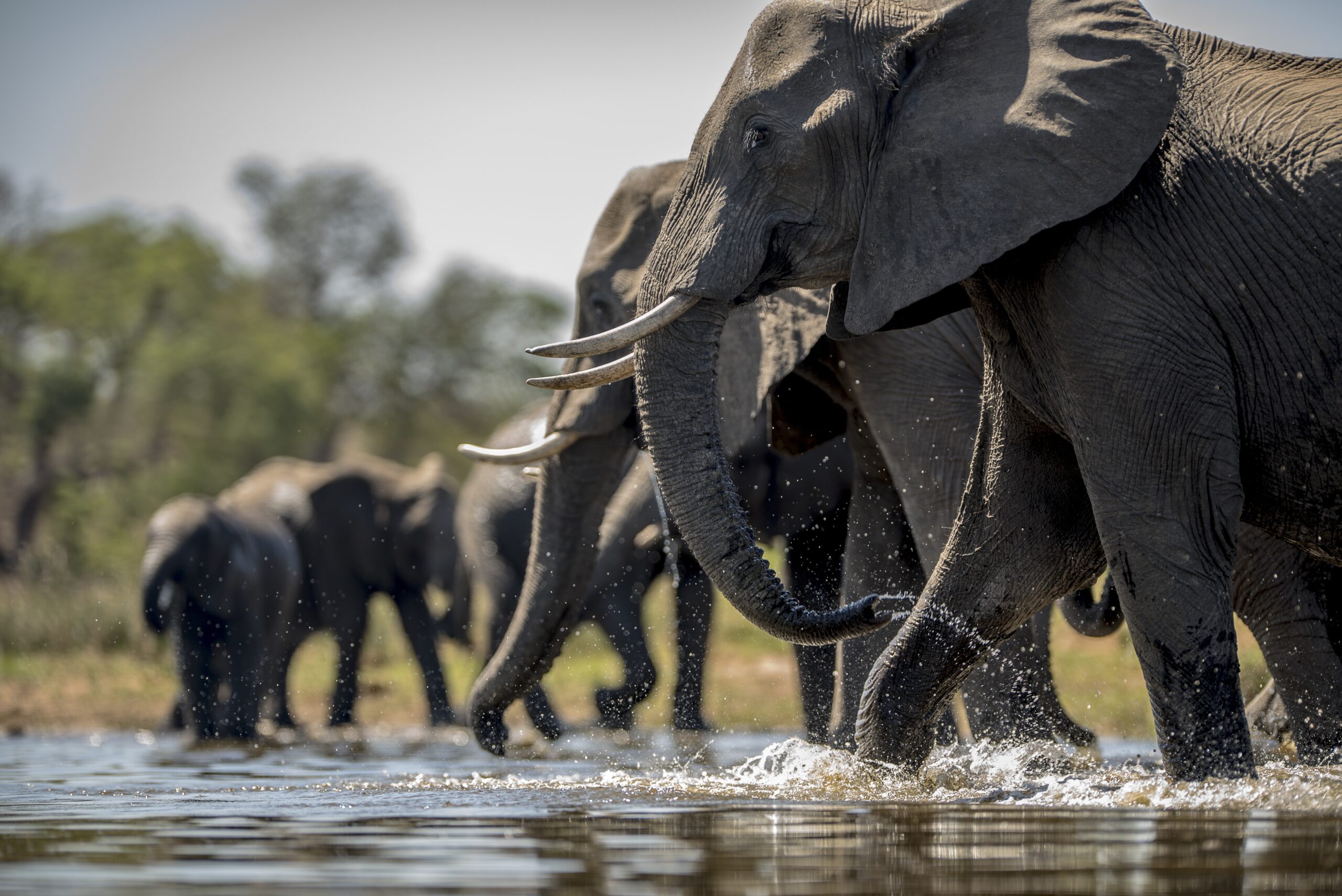
Elephants, the big five African Tusker elephants are those individual elephants with long tusks almost touching the ground. It is hard to see these giants in other National Parks of African countries because of majority are killed by poachers for their lucrative ivory. The African tusker elephants are seen only in the Ngorongoro conservation area (NCA) of northern Tanzania. Seeing these big elephant bulls is very impressive. Many safari goffers fall in love with these massive tuskers and even choose them to be their favorite animal
Buffaloes – The Black Death.
Bufalos are part of the big 5 of Ngorongoro Crater, which travelers can see while on Tanzania safari tours in the Ngorongoro Conservation Area of Tanzania any time of the day, all throughout the year. There are well over 4000 Bufalos in Ngorongoro Conservation Area, easily seen in large herds grazing. When you do pass by during your game drives in Ngorongoro Crater, they shall look at you almost knowingly, almost as if they have seen you somewhere
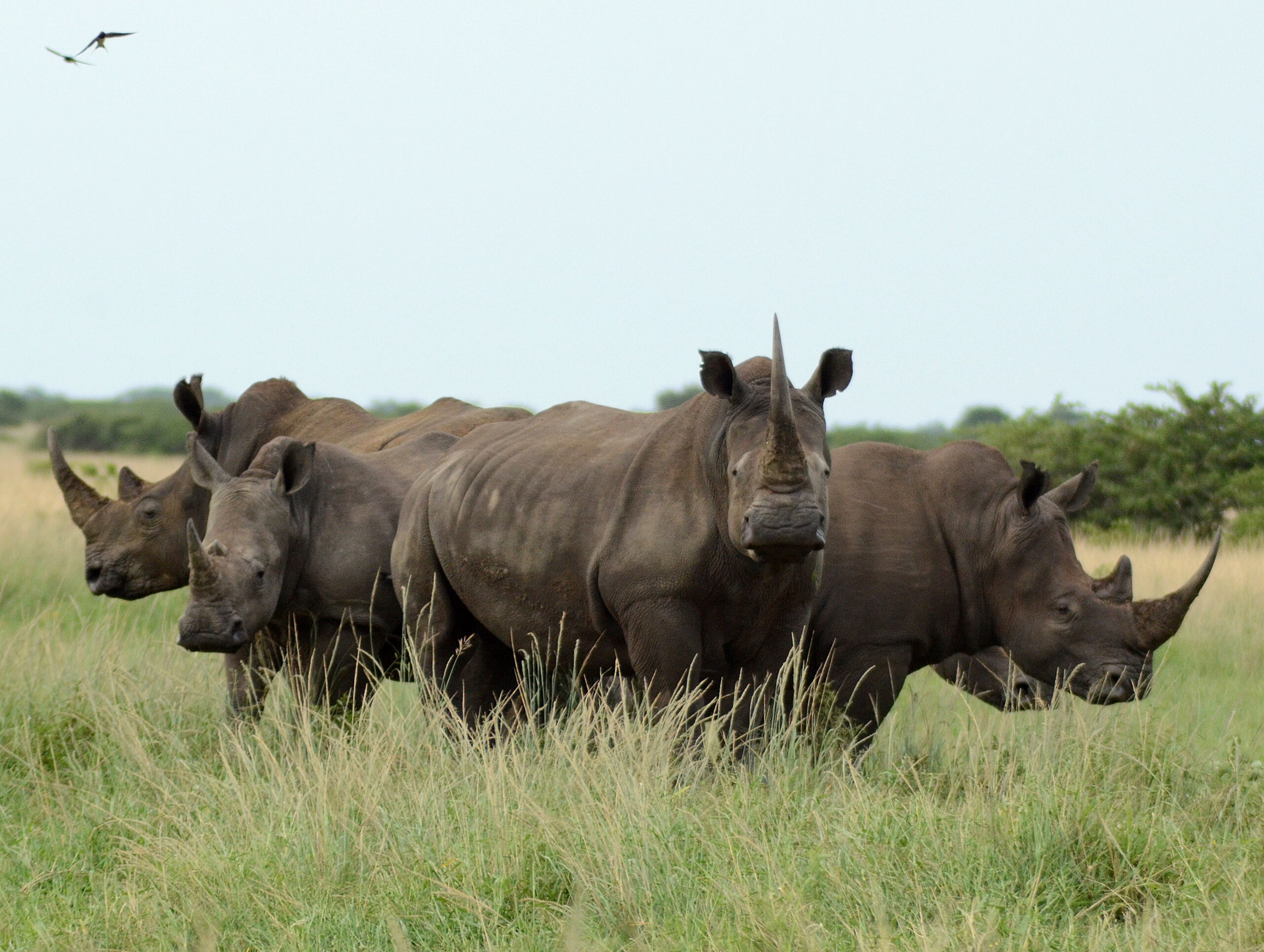
Black Rhinos– The Rarest Prize.
Rhinos are an endangered species, sought after by many travelers but it is in the Ngorongoro Crater that travelers can almost be guaranteed to spot the rhinos, in the wild. Black rhinos are one of the African big 5 of Ngorongoro Crater that travelers can see on Ngorongoro Crater safaris. It is in Ngorongoro Crater that travelers can see all the complete list of the big 5 animals
The Crater: A Lost World in a Broken Volcano.
Ngorongoro conservation area is a unique destination with Ngorongoro crater as the main feature of the area, Ngorongoro crater is the world’s largest unbroken volcanic caldera comprises of 2,000 feet of depth and 260 square kilometers of width. Ngorongoro crater was formed as a result of volcanic explosion and after its formation it collapsed in about 2-3 million years ago. Because of the uniqueness of Ngorongoro crater, it was recognized as a world Heritage site of global importance in 1979. Apart of the Ngorongoro crater, there are other beautiful features in Ngorongoro conservation area which are other highlights of in this conservation area. These features include the Olduvai or Olduvai Gorge famously known as the cradle of man; Olduvai Gorge is a mystical archaeological site hosting the remaining evidence of the first human evolution on earth and these remains were discovered in 1950s by paleoanthropologists Louis Leakey and his Mary Leaky. Other archeological wonders found in Ngorongoro conservation area include Laetoli footprints, Nasera rock and Olduvai Gorge Museum.
Game Drives and Wildlife Viewing:
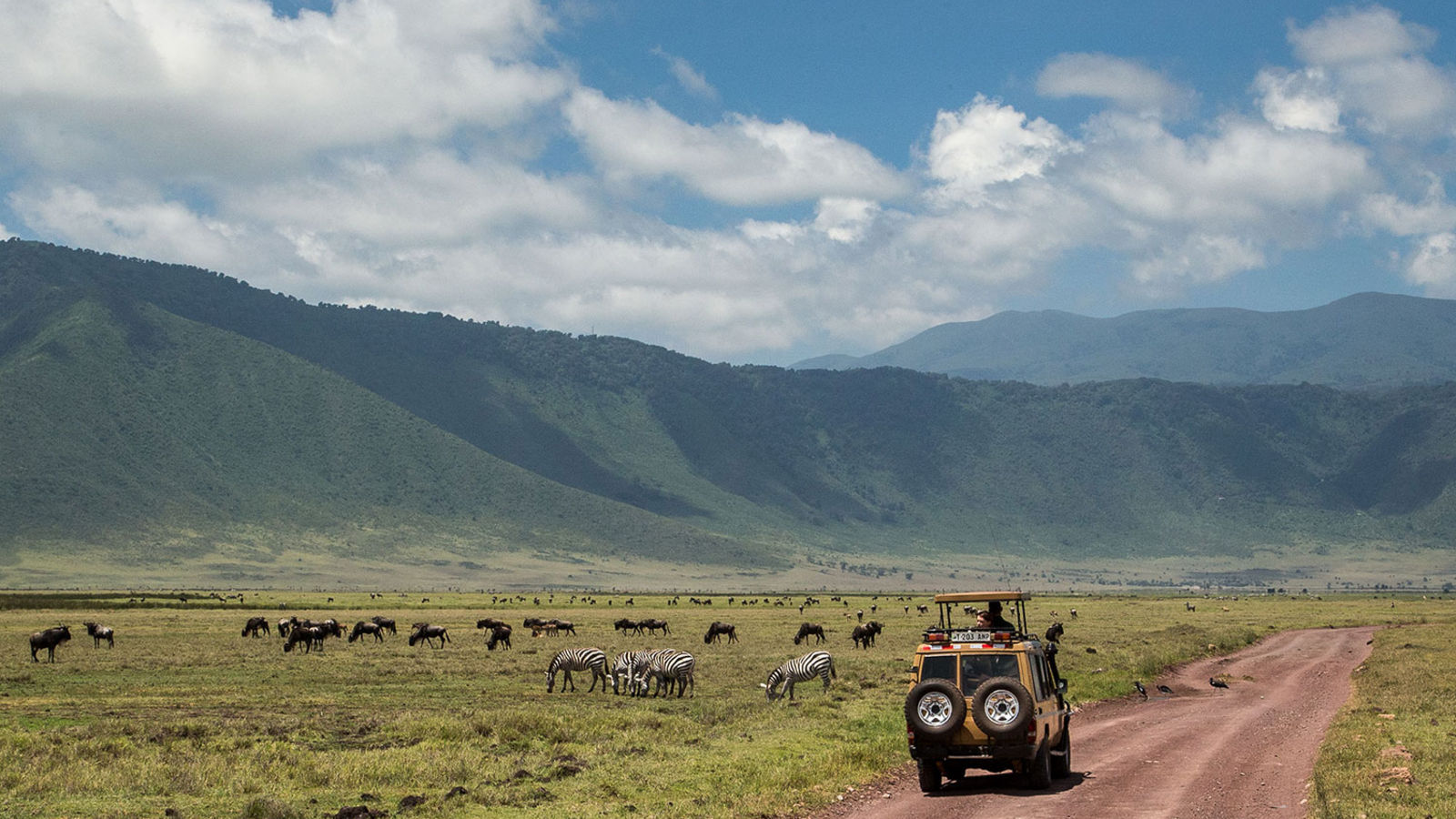
Game drives are without doubt the best way to view wildlife in the Ngorongoro Crater. Game drives are done with a standard tour van and are organized in two shifts – morning and afternoon. By 4:30 pm, all tour vans must be out of the crater. You need at least three days to explore each and every part of the crater. On every safari, expect to see all the big 5 mammals, birds, lakes, lush forests and savanna vegetation
Photographic Safari:
If you have already taken a game drive at the Ngorongoro crater before and liked what you saw, you can organize another safari with the sole purpose of taking amazing wildlife photos. A photographic safari should not only be about the animals but also birds, lakes and savanna vegetation. There are Maasai tribesmen living close to the crater who may be open to being part of your photography expedition
Visiting the Maasai:
The Maasai are one of Africa’s most intriguing tribes. Although they live outside the crater itself, they are allowed to graze their animals around the crater rim or bring them down the crater for water during the dry months of the year. While visiting the Ngorongoro Conservation area, an arrangement can be made for tourists to visit one of their homes or cultural centers to learn about their traditions and culture. It is more rewarding to visit villages/families that are less visited so that you have a more enriching experience instead of stage-managed tours. Visiting the Maasai people involves attending traditional dance performances, taking photos, buying souvenirs and meeting the elders.
Hot Air Ballooning:
This is an expensive but very adventurous way to explore the vast crater and surrounding areas. Hot air ballooning is highly recommended especially during the migration – when the wildebeest are roaming or calving outside the crater and the nearby Serengeti. The great thing about hot air ballooning is that it allows tourists to appreciate and enjoy the beautiful scenery within the crater
Hiking to the summit of the Gol Mountains:
The Gol Mountains are found within Serengeti National Park. The slopes are excellent for wildlife viewing and cultural encounters with the resident Maasai Herdsmen. At the base of the Gol Mountains is the famous Nasera Rock where tourists can spot a variety of birds and hundreds of baboons. The Leakey family excavated remains of humans who lived there during the stone age period. The Gol Mountains will capture your imagination if your dream is to explore the remote African wilderness. After exploring the Gol Mountains, you can also choose to conquer an active volcano known as Oldoinyo Lengai
Visit Olduvai Gorge:
The Olduvai Gorge is known as the “Cradle of Mankind”. It is where the oldest archaeological discoveries were made by Richard Leakey and his family. The Leakey’s discovered the remains of the very first hominids in Olduvai Gorge in the early 20th Century. They went on to make some groundbreaking discoveries with most of them older than 2 million years ago. The fossils include that of extinct animals that roamed the area and the more recent stone age man. You can register to be taken for a guided walk within the gorge. Do not forget to check out the hominid footprints in Laetoli. These footprints were discovered on a volcanic rock and are over 3 million years old. There is a small museum that was built for public viewing and contains excavated remains and artifacts for tourists to see.
Olmoti Crater:
Among the Maasai, Olmoti means cooking pot. The shallow crater is found within the Ngorongoro conservation area highlands and stands at 3080 meters above sea level. The grassy hollows of the crater are excellent for hiking and nature walks. It is where most of the Maasai herdsmen take their domestic animals for grazing alongside buffaloes, bushbucks, eland and reedbuck. You can crown your tour of the Crater by visiting a nearby waterfall (100 meter) that feeds into Lake Magadi.
Visit the Empakaai Crater:
This is the smaller sibling of the Ngorongoro Crater. The Empakaai Crater was also formed when a volcano collapsed into a 6-kilometer-wide caldera. It is a lesser-known crater but with a lot to offers. Much of it is covered by a deep alkaline lake that is 85 meters deep. The lake changes color depending on the time of the day and attracts thousands of ‑flamingos because of abundant algae. The rims of the crater are home to pink ‑flamingos, blue monkeys, water bucks, bush bucks, bualoes, elephants and hyenas. Beyond the crater are stunning views of Mount Kilimanjaro and Ol Doniyo Lengai.
Ngorongoro Crater Wildlife viewing at the Ngorongoro is excellent throughout the year because the animals don’t migrate. However, the dry season from December to March and also June to September offers the best wildlife best attractions in Ngorongoro Crater experiences. Around those months, there are no rains and there is less mud within the crater. The savanna grasslands are shorter allowing for better wildlife viewing. It is during the dry season that Animals congregate at the few remaining waterholes hence allowing tourists to see most of them in one place. Unfortunately, the dry season is when most tourist come to the crater. To avoid the crowds and have a more private safari, you should consider going during the rainy season. The rainy season finds the entire country green and beautiful. It is also the best time for birding. So, all in all, we would recommend that you visit at around the time when the wildebeest migration is occurring outside the crater and the Serengeti. This will allow you spot wildlife both within and outside the Crater.
How do you get there? The Ngorongoro Conservation area is located 185 kilometers away from Arusha. It can take about 3 hours to get to the area from Arusha by road.

About
We are a team of adventure enthusiasts who love everything about Tanzania. Our team arrived here in 2022, and we were immediately fascinated by this land. Read More…
Copyright © 2025 All Right Reserved Asili Safaris
WhatsApp Us