8 Hours
15,000 km²
Discover Offbeat places
Lodges & Camps Nearby
English, Swahili
A sea of grass stretching beyond imagination—horizons untouched by time, where the wind carries the thunder of a million hooves. Serengeti National Park is Africa’s most famous park due to the largest concentration of game on the continent and the migration of millions of wildebeest. The most impressive nature documentaries were shot in this beautiful park. ‘Serengeti’ comes from the Maasai language meaning ‘endless plains’ and this rightly describes it. With almost 15,000 km2 (6,000 sq miles), Serengeti National Park is the second-largest park in Tanzania. The Maasai people call it ‘’Siringet’’ meaning wide endless plains, is undoubtedly the best-known wildlife sanctuary in the world and is therefore unequaled for its natural beauty and scientific value. It has the greatest concentration of plains game in Africa.
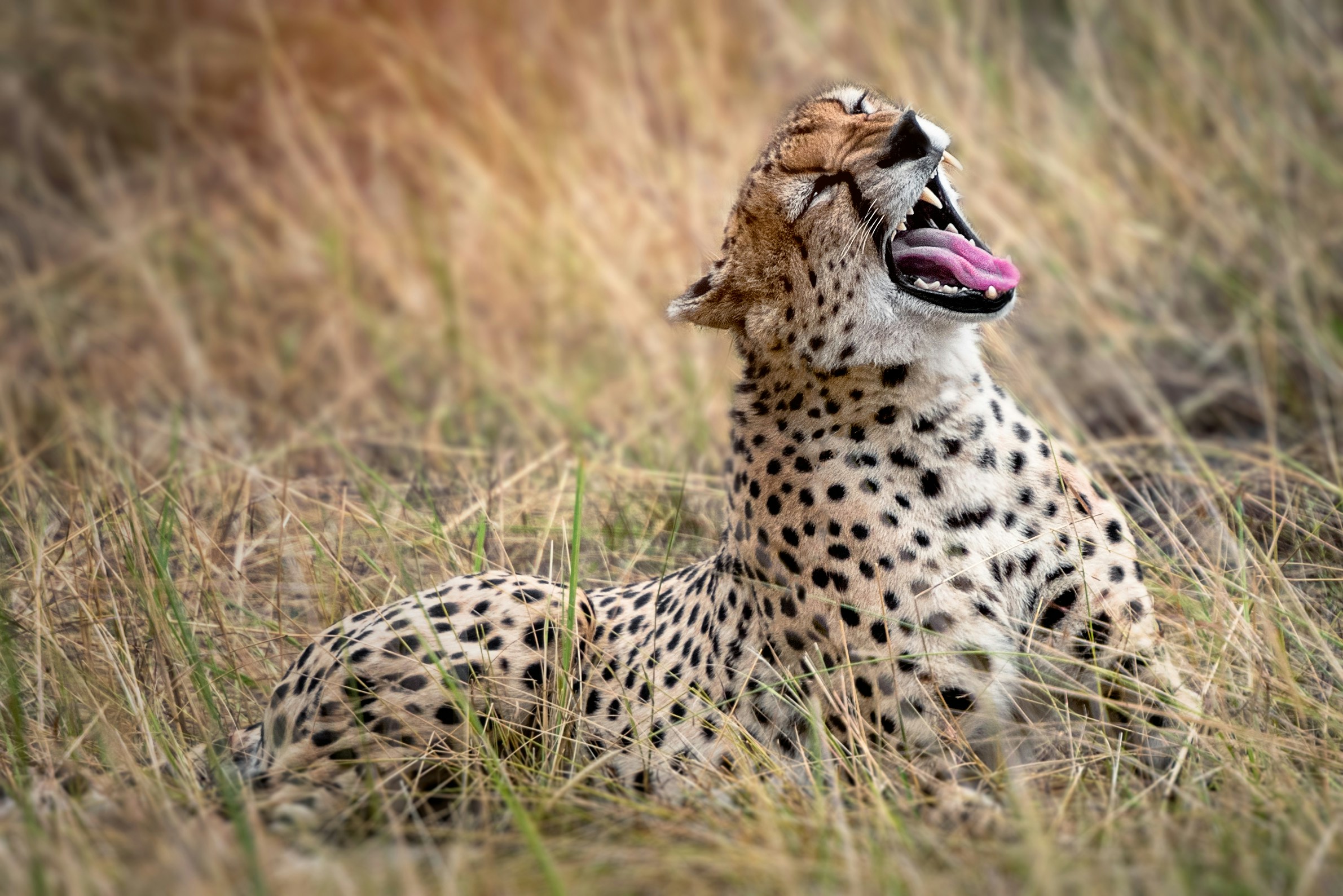
Serengeti national park found in the Northern part of Tanzania is one of the national parks of that makes the greater North tourist destination. Serengeti National Park is a World Heritage Site teeming with wildlife: over 2 million ungulates, 4000 Lions, 1000 Leopard, 550 Cheetahs and some 500 bird species. Join us on a safari and explore the endless Serengeti plains dotted with trees and kopjes from which majestic lions control their kingdom; gaze upon the Great Migration in awe or find an elusive leopard in a riverine forest. Or perhaps see everything from a bird’s-eye view and soar over the plains at sunrise during a hot air balloon safari. Accommodation options come in every price range – the sound of lions roaring at night is complimentary.
The Great Migration.
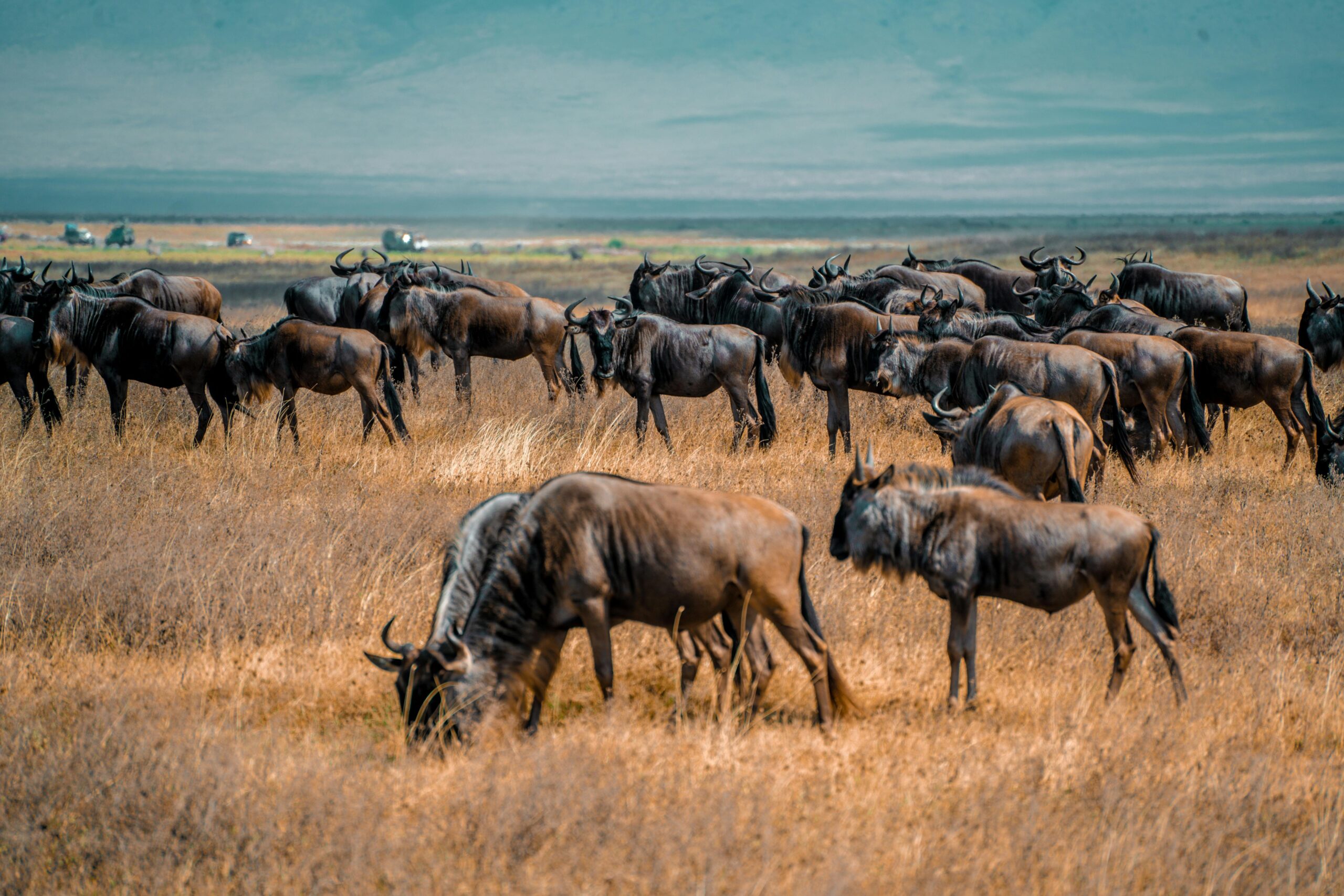
The journey for the key players in the Great Migration, the roughly two million wildebeest, starts in the south of the Serengeti, with the birth of half a million calves between January and March. A favorite season for many of the seasoned Serengeti guides: the air during these months is full of new life and action. A river of animals so vast it can be seen from space, Endless columns of wildebeest marching to ancient rhythms, Predators feasting where the weak stumble. Wildebeest migration is one of the highlights of Serengeti national park. This is one of the seven wonders of world that happens annually in different sections of Serengeti. The most recognized migration is the one of trans destination between Tanzania Serengeti and Kenya Maasai Mara national reserve passing through the Mara River East of Grumet River through Lobo.
This wildebeest migration event is much recognized in the tourism and hospitality industry globally. It attracts millions of tourists who come to witness the world cup of animals at the stadium of Mara River while the Crocodiles as referee who like giving red cards to the players through preying on the millions of wildebeest and thousands of Zebras which cross the river to the Masai Mara national reserve. The area harbors the highest number of cheetahs in Serengeti National Park near the Gol mountains at the edge of Northern part of Ngorongoro conservation area. Want to know about Wildebeest Migration check our link Wildebeest Migration
Apart from the wonder Migration scene the Tourist are likely to encounter numerous other attractions while visiting this Wonder land of Nature.
Big 5.
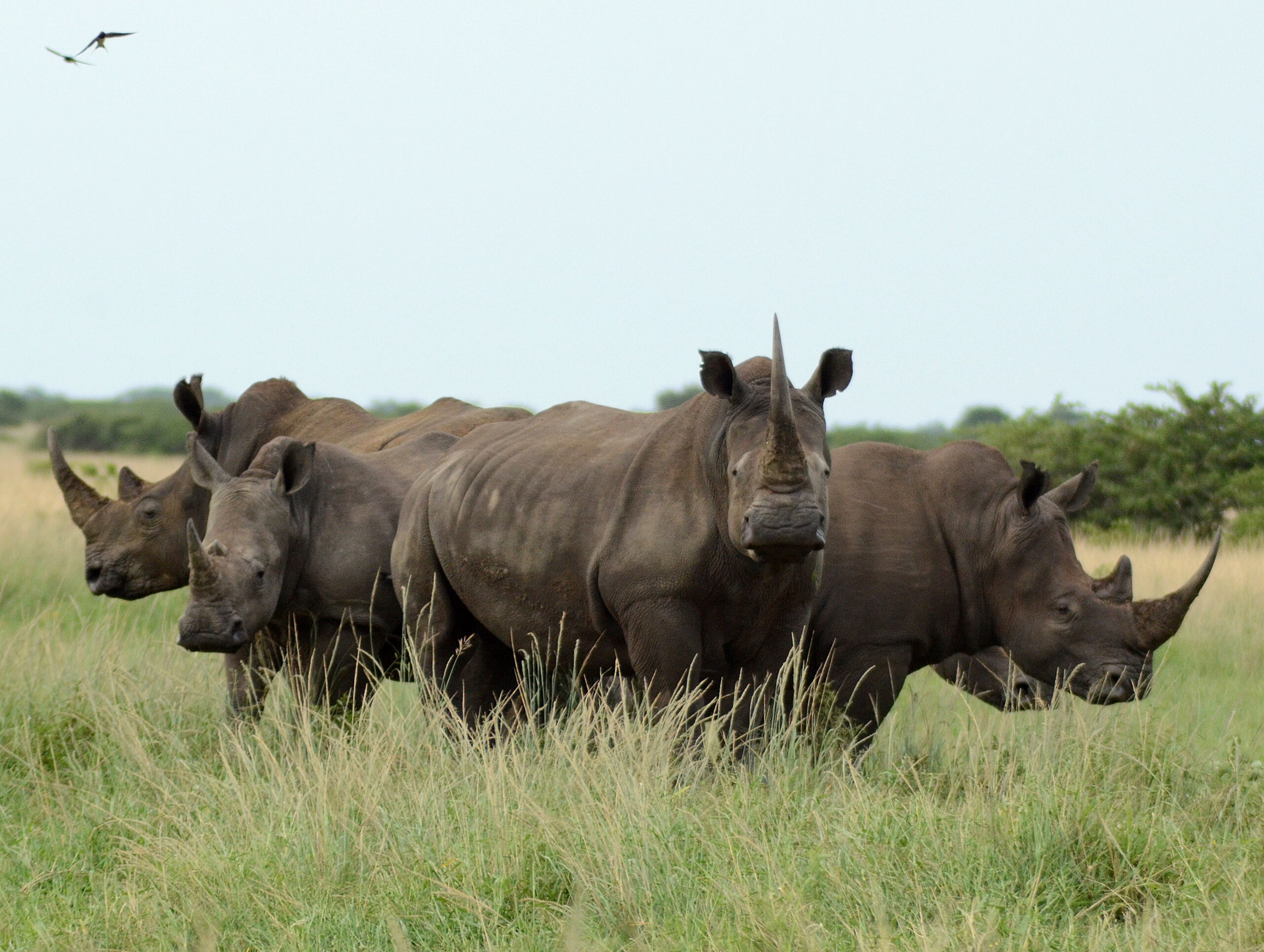
The big 5 are much sort after during safaris to Serengeti national park and they include elephants, rhinos, lions, leopards and buffalos. These wildlife species as well as many other wildlife species attract tourists to engage in safaris to Serengeti national park. Different tour operators o‑er safari packages for wildlife viewing in Serengeti national park including game drives at different times of day.
Grumeti river.
The Grumeti river is a river crossing point during the wildebeest migration. It is part of the Grumeti reserve in the north western part of Serengeti national park which is a migration corridor during the wildebeest migration.
Seronera Valley.
Seronera valley is another attraction in the park which can be seen during Serengeti National Park safaris as tourists explore the destination. It is located in the central part of Serengeti national park which is a popular part of the national park which is visited during safaris or wildlife viewing experiences. The big 5 can also be seen during a safari in the Seronera valley and tourists can also enjoy watching as predators hunt during their game drives in this part of Serengeti national park. The Seronera area is made up of savannah plains, a broad valley, river meanders, grasslands and swamps. There are also rock outcrops or kopjes which can be seen in the Seronera area.Apart from the many predators like lions, leopards, hyenas, cheetahs, jackals in Seronera valley there are other wildlife species which can be seen during a safari at this destination and they include waterbucks, hartebeests, dik dik, hippos, impalas, warthogs among others.
Retina Hippo Pool.
A visit to the retina hippo pool of Serengeti national park is rewarded with seeing big numbers of hippos in a pool. There are approximately 200 hippos which can be seen at the retina hippo pool. Birds such as crowned cranes, egrets, herons, kingfishers among others can also be seen around the retina hippo pool.
Moru Kopjes.
The Moru Kopjes scattered around the Serengeti are a perfect place to catch the black rhinos. These protruding rocks around the park o‑er shade and disguise for the many animals and predators. Exploring the Moru Kopje is not just about the wildlife. It is about a wilderness. It is located southwest of central Serengeti National Park of Tanzania in a total area of 45 square miles (3,259 Km. The name “Moru”” is from the Maasai language which means “old one”)
Maasai.
Apart from the amazing wildlife of the park, tourists can also get an experience with the Maasai people who are famous for their unique culture and nomadic way of life. The Maasai keep livestock such as cows, goats and sheep which they depend on. They also make local arts and crafts such as beaded necklaces, earrings, anklets which are made by the Maasai people. The Maasai also have unique homesteads known as “manyattas” made using local materials such as dung. During a community or cultural visit to the Maasai villages, tourists get to see these homesteads and also know more about the culture and traditions of the Maasai. Visit Serengeti national park and enjoy a safari filled with amazing wildlife viewing and beautiful endless savannah plains as you explore the oldest national park in Tanzania.
Activities which tourists can engage in during their safaris in Serengeti national park include the following;
Hot Air Balloon.
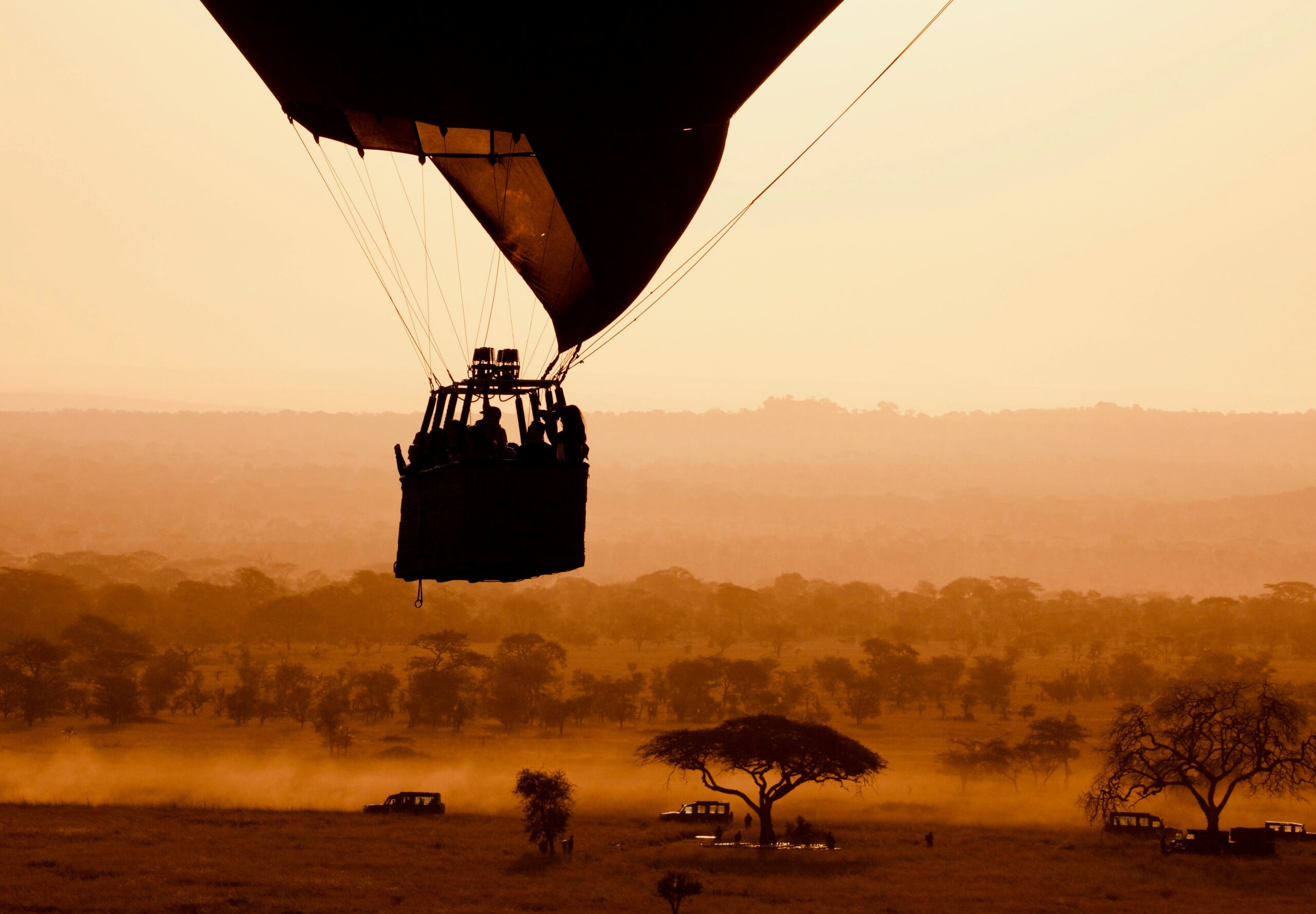
Hot air balloon rides are a unique way to enjoy seeing the different attractions around Serengeti national park during a safari. This activity can be carried out in the morning after briefing before proceeding to engage in the hot air balloon during which you will enjoy beautiful views of the national park and also see different wildlife species such as elephants, Giraffes, Rhinos, Lions among others. Before kicking off the Hot balloon safari, you will have briefing from the pilot and the crew members on board. After you enter to the basket to take up your sit as the balloon is set off. The balloon starts with the great sound at the beginning and some shakes before you start ascending. You will feel the slow-motion movement of the balloon as it leaving the ground. At this point the scared will cover eyes and sit down and wait till it stabilizes. Then the crew will let you know when to stand up and start enjoying the free fresh air.
Game Drives in Serengeti National Park.
Serengeti safari drives are also carried out during a safari in the national park. Game Drives in Serengeti National Park can be carried out in the morning, afternoon, evening or for a full day. This activity is popular among tourists and visitors to Serengeti national park as they enjoy driving around the endless savannah plains in search of the different wildlife species.
Full day game drive which is most done game drive activities in Serengeti on our second day. Enjoy the best day waking up early, have our lunch boxes ready and drive to most corners of Serengeti. This is the game drive in which one fully feels the beauty and excitement of Serengeti national park. A lot of animals to be seen like Lions, tree climbing lions, leopards, Gira‑es, Buffalos and many more. night Game drives which are not common game drive activities in Serengeti. They are available on request and they come with an extra fee.
Night game drives are only conducted by registered and authorized camps around Serengeti at the fee of 50$ per person. Photographers who want to get more details on the wildlife of the Serengeti will identify the nocturnal present at Serengeti.
Bird Viewing.
Bird viewing is another safari activity in Serengeti, which tourists engage in during their safaris in Serengeti national park. There are over 500 bird species in this national park and they include ostriches, secretary birds, grey crowned cranes, starlings, herons, yellow billed storks, pelicans, hornbills, lesser flamingos, vultures, Kori bustard among others Serengeti diverse eco system has added an advantage to the park and birding safaris as the park is harboring different kind of birds from open savannah to the small dotted shrubs in the north and the hills surrounding the park which inhabits different bird species. The Serengeti ecosystem is divided in to the following regions: The seronera central area, Ikorongo reserve, Ngorongoro famed conservation sector, Grumeti area and the Loliondo area
Best Time to Visit.
We don’t say this lightly: the Serengeti is always full of surprises, no matter the time of year. The centerpiece of most travelers’ planning is, with good reason, to experience the Great Migration. However, we do invite you to look beyond ‘just’ the Great Migration and also discover other wonders of the Serengeti. Most travelers pick the dry season (which takes place from late June to October) for a safari in the Serengeti National Park. Animals gather around rivers and waterholes to quench their thirst. The Great Migration is at its absolute prime and your chances of witnessing an iconic river crossing are at their best. Most lodges will remain open during the more tranquil ‘wet season’ when the rains turn the dry landscape into a lush, green oasis and the birthing season begins. Read more about Serengeti weather & climate on this page. Here are some pros and cons for the wet and dry season.
June to October – Dry Season.
Pros: The thick bush thins out and wildlife is easier to spot. Animals will gather around the rivers and waterholes. Expect bright days and lots of sunshine with afternoon temperatures around 25°C / 77°F. Less chance of malaria, since there are fewer mosquitoes. Easier to spot the Great Migration (including these iconic river crossings, if lucky).
Cons: The park gets crowded, especially around the Seronera area. It gets relatively cold at night and early in the morning with minimum temperatures around 14°C / 57°F. Occasiofinal cold fronts are possible, with temperatures close to freezing.
November to May – Wet Season.
Pros: Late January to February is the time to see the calving in the Southern Serengeti – an excellent time to see predator action. A lush and green landscape. Fewer tourists and lower rates, especially in April and May. Birdwatching is at its best. From November to February, rains are mostly short afternoon storms and seldom interfere with your trip.
Cons: March to May is the peak of the wet season; It tends to rain most days, although seldom for the whole day. It is often cloudy. January to March can be crowded around the Seronera area.
The Southern & Central Section.
The popular southern/central also known as the serona valley, is what the Masai called the “serengit”, the land of endless plains. The classic savannahs, dotted with acacias and endowed with wildlife make it undeniably the most attractive section. To the south-east, the short grass plains, dotted with granite outcrops and containing Olduvai Gorge, fall into the Ngorongoro Conservation Area. The best times to visit this part of the park is from December to March/April) part of which is the calving season as the animals prepare to the great migration. Over 800 calves are bithed a day over a period of 3 weeks in February in the rich grasslands of Ndutu and Kusini. It is a perfect section to visit during migration season, but becomes very dry from July to October
The Eastern Section.
The Eastern section if one of the Sections of Serengeti. October and November are the perfect for the eastern Serengeti safari when the migrants are returning to Serengeti from the Masai Mara national park in Kenya into the replenished green plains that are waiting to receive them. The sections east of the Grumeti river going through the lobo and loliondo under the Gol Mountains. The cheetahs will be waiting in large numbers too in those areas to pounce on the unsuspecting gazelles, impalas, alongside other migrants. The wildebeests will cover most of eastern central plains as they after the long rains that replenish the grass and the water supplies. Away from the migration this section offers beautiful views and is a perfect place to visit while on your safari to Tanzanian or Serengeti national park
The Western Section.
The western corridor is marked by the Grumeti River, and has more forests and dense bush. The area takes on the shape of a massive valley that runs east to west boardered by hills to the north and south. This arrow corridor that flows towards Lake Victoria is about 50 metres long. Common game in this are the rare Colobus monkey, Nile crocodiles, large herds of Topi antelopes, elephants and good concentrations of carnivores. Towards the end of April, May and June the western corridor is swarmed by large herds of wild beasts escorted by zebras, eland and impalas south 0f the river. It is not uncommon to catch a glimpse of predator following in pursuit later on in action. However, these are not the only danger they need to fear, ahead large Nile crocodiles wait on them and the daunting waters too, many never live to survive this journey.
The Northern Section.
The northern section of Serengeti National Park is also Known as the Lobo area, this is where the Serengeti meets up with Kenya’s Masai Mara, this is by far the last popular part of the park. This portion of the park remains unexplored yet it is endowed with stunning landscape and an abundance of wildlife. During the dry spells of July- November one can experience the large herds of wildebeest migrants and their zebra and antelope friends. Other residents of the area include but to limited to lion, elephant, hippo, giraffe, crocodile and the rare oribi antelope This area of the park is the climax to migration away from the crowds that wait for the migration in the bordering Masai Mara national reserve which is their destination across the Kenyan boarder. Majority of the animals at this stage are tiered from the river crossing but they demonstrate their willingness to survive in a dramatic encounter against a backdrop of the western escarpment rising hills and the golden plains beyond.

About
We are a team of adventure enthusiasts who love everything about Tanzania. Our team arrived here in 2022, and we were immediately fascinated by this land. Read More…
Copyright © 2025 All Right Reserved Asili Safaris
WhatsApp Us